

Dark circles are one of the most common skincare concerns today. They’re often linked to late nights, lack of sleep, or a busy lifestyle. That’s why most people try to solve the problem by sleeping more, drinking extra water, or buying another eye cream that promises visible results.
But what happens when you’ve already done all of that and nothing changes?
The truth is that dark circles are rarely as simple as they seem. They don’t always appear because you’re tired, and they certainly don’t disappear with a single product. In many cases, the real reason lies much deeper than the surface of the skin. Understanding that reason is often the first step towards finding a solution that actually works.

Not Every Dark Circle Has the Same Story
Stand two people with dark circles next to each other, and their under-eye area may look almost identical. Yet the cause behind it could be completely different.
For one person, it could be something they inherited from their parents. Another may be dealing with pigmentation caused by sun exposure. Someone else might simply have naturally thin skin beneath the eyes, making blood vessels more visible.
This is exactly why following someone else’s skincare routine rarely produces the same results. Similar concerns don’t always need similar treatments.
Your Lifestyle Leaves Clues Around Your Eyes
The skin beneath your eyes is delicate and responds quickly to what’s happening inside your body.
Stress, irregular sleep, dehydration, allergies, excessive screen time, and even frequent rubbing of the eyes can gradually change the appearance of this area. The change is usually slow, which is why many people don’t notice it immediately.
Months later, they suddenly feel their face looks tired all the time even on days when they feel perfectly fine.
Why Buying More Products Often Leads to More Disappointment
- It’s easy to believe that the next eye cream will finally solve the problem.
- The beauty industry gives us endless options, each claiming to brighten, tighten, or refresh the under-eye area. While some products can improve hydration or temporarily reduce puffiness, they cannot correct every cause of dark circles.
- A cream cannot change genetics.
- It cannot reverse years of pigmentation overnight.
- It cannot strengthen skin that naturally becomes thinner with age.
That’s why some people keep changing products without seeing meaningful improvement.

Looking Beyond the Mirror
- Most people only notice the darkness beneath their eyes. Dermatologists, however, notice much more.
- They observe the colour of the pigmentation, the texture of the skin, facial structure, medical history, lifestyle habits, and even daily routines.
- These details help explain why dark circles developed in the first place.
- Instead of asking, “Which cream should I use?”, a better question is often, “What’s causing my dark circles?”
Once that answer becomes clear, choosing the right treatment becomes much easier.
The Habit of Hiding Instead of Treating
For many people, concealer has become part of the morning routine.
- It works for a few hours, gives the skin a fresher appearance, and boosts confidence before stepping out.
- But once the makeup comes off, the same concern is waiting in the mirror.
- There’s nothing wrong with covering dark circles, but relying on makeup alone often delays finding a long-term solution.
- Understanding the cause gives you a much better chance of improving the concern rather than simply hiding it.
Why Professional Evaluation Changes the Approach
Dark circles are not a single condition—they’re a visible sign with many possible causes.
That’s why professional assessment focuses on understanding the bigger picture instead of making assumptions.
At Jaya Skin Clinic, consultations don’t begin by recommending a treatment. They begin by understanding your skin. Dr. Jaya Gupta carefully evaluates factors such as pigmentation, skin quality, lifestyle, and overall eye-area health before suggesting the most appropriate approach. This helps patients receive guidance that’s tailored to their specific concern instead of following a one-size-fits-all routine.
Every person’s skin tells a different story, and recognising those differences often leads to better outcomes.
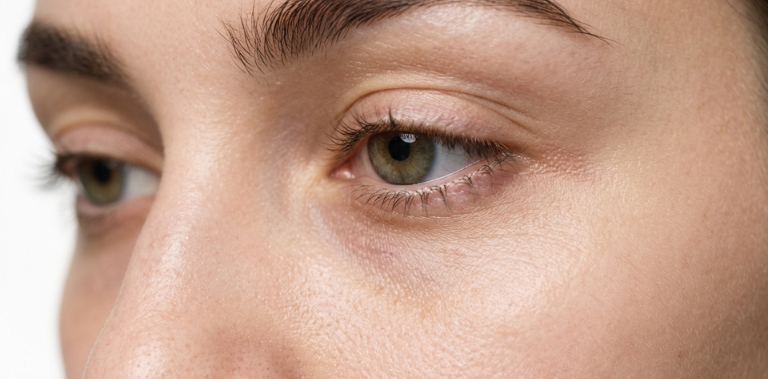
Looking at Dark Circles Differently
Dark circles are often treated as a cosmetic problem, but they’re frequently a sign that your skin is responding to something happening beneath the surface.
Sometimes the answer lies in improving daily habits. Sometimes it’s pigmentation. Sometimes it’s simply how your skin is naturally structured.
The important thing is not to assume that every dark circle has the same solution.
Once you understand the reason behind the concern, making the right skincare decisions becomes much easier—and that’s where real progress begins.
 Previous Post